The Sea Captain's House
17481950
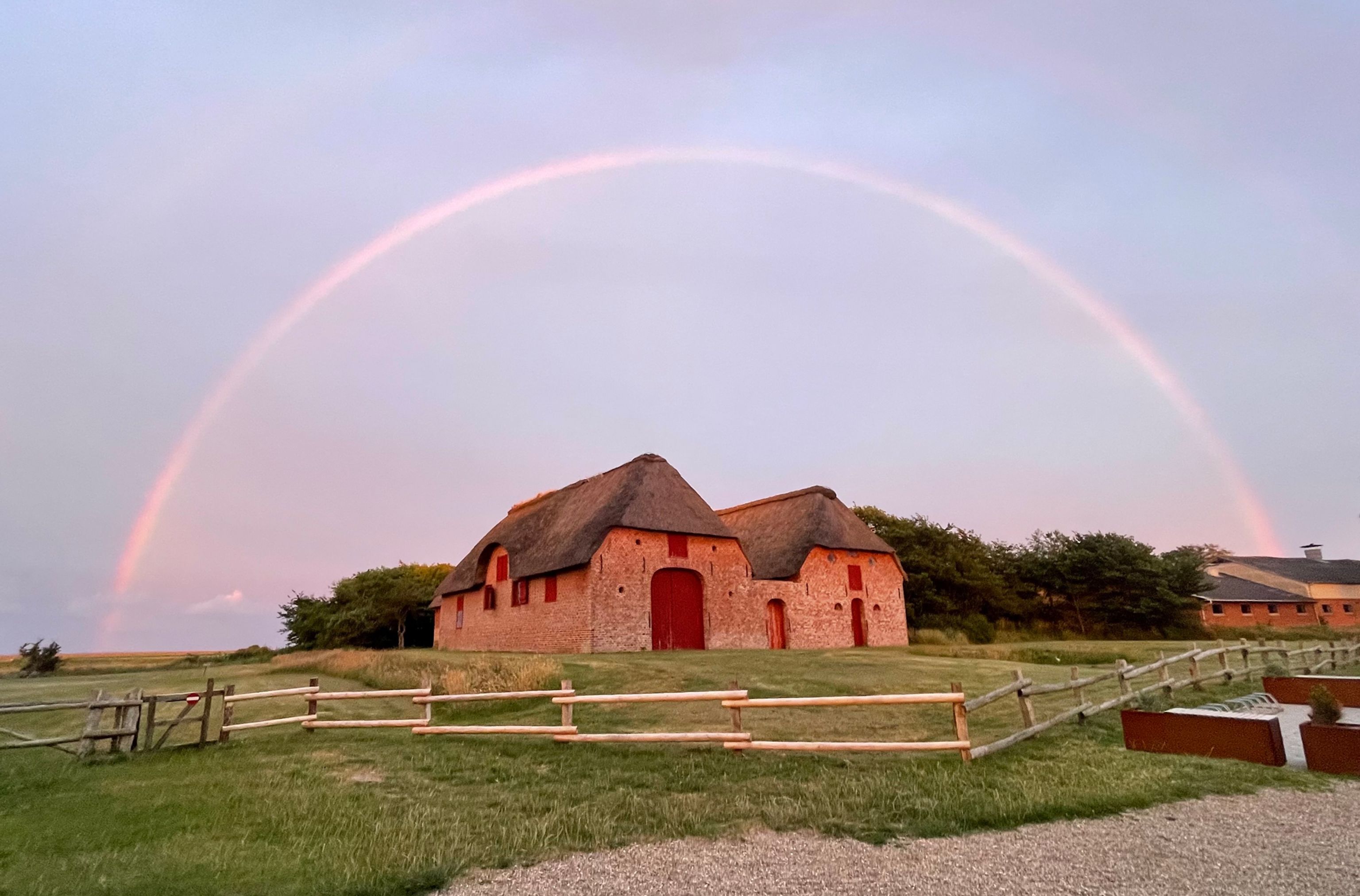
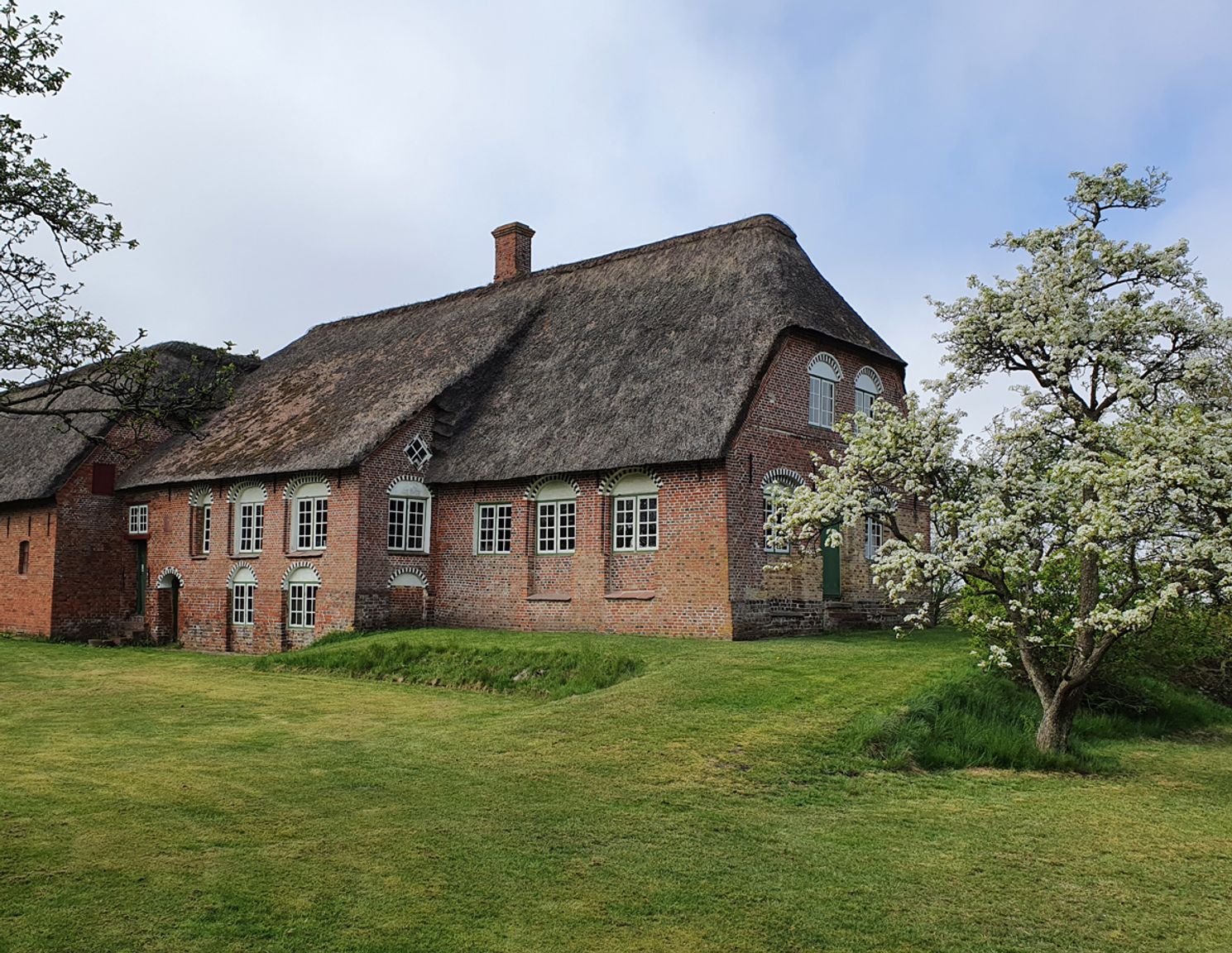
The Sea Captain’s House is one of the most opulent homes on Rømø from the 1700s. The Rømø family, who owned the farm, can be traced back to around 1550. Generation after generation, they have lived in the same place – in Toftum – while sand has blown over the island from the west and Rømø has gradually grown larger.
1.
A genuine time capsule
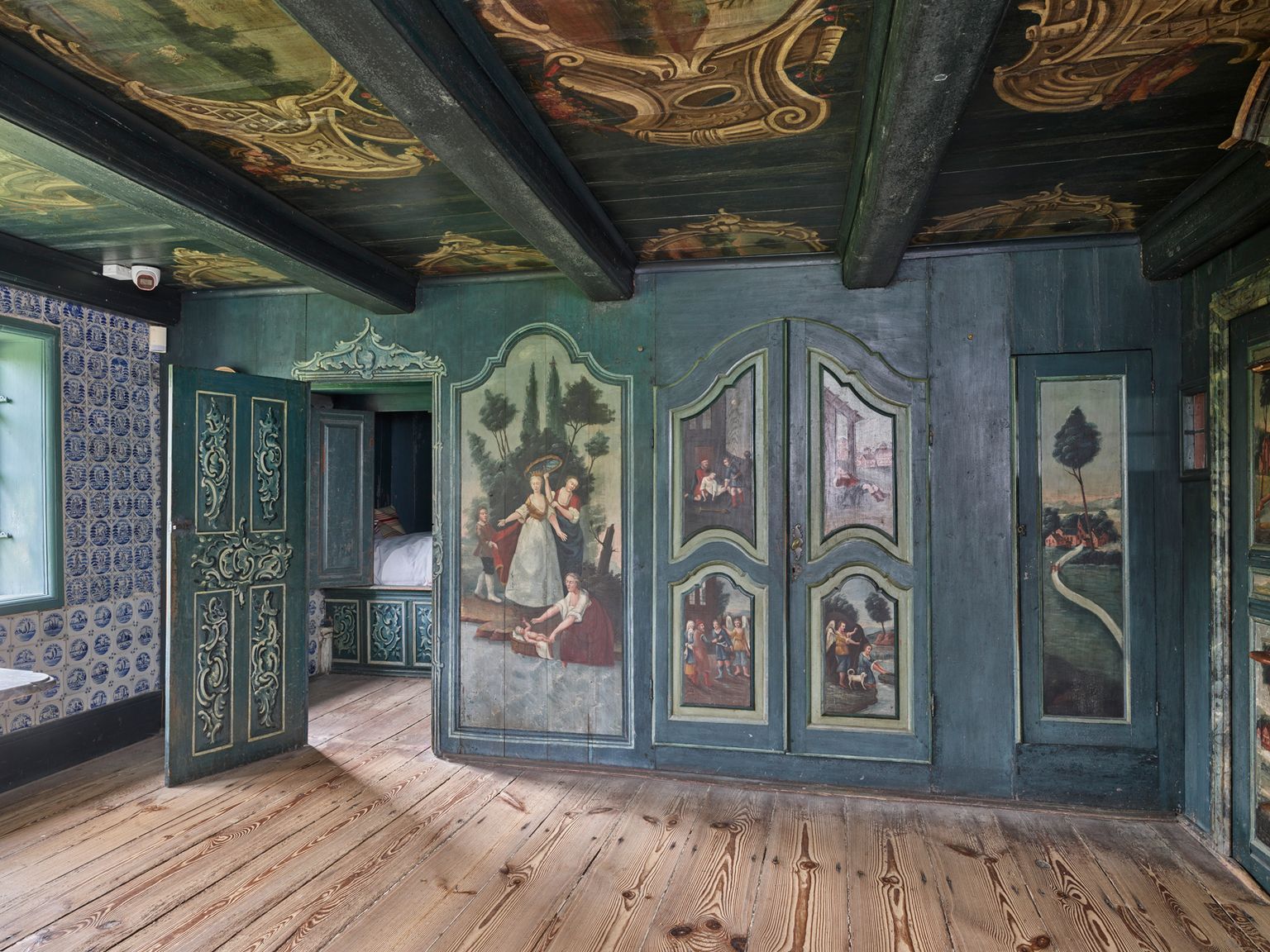
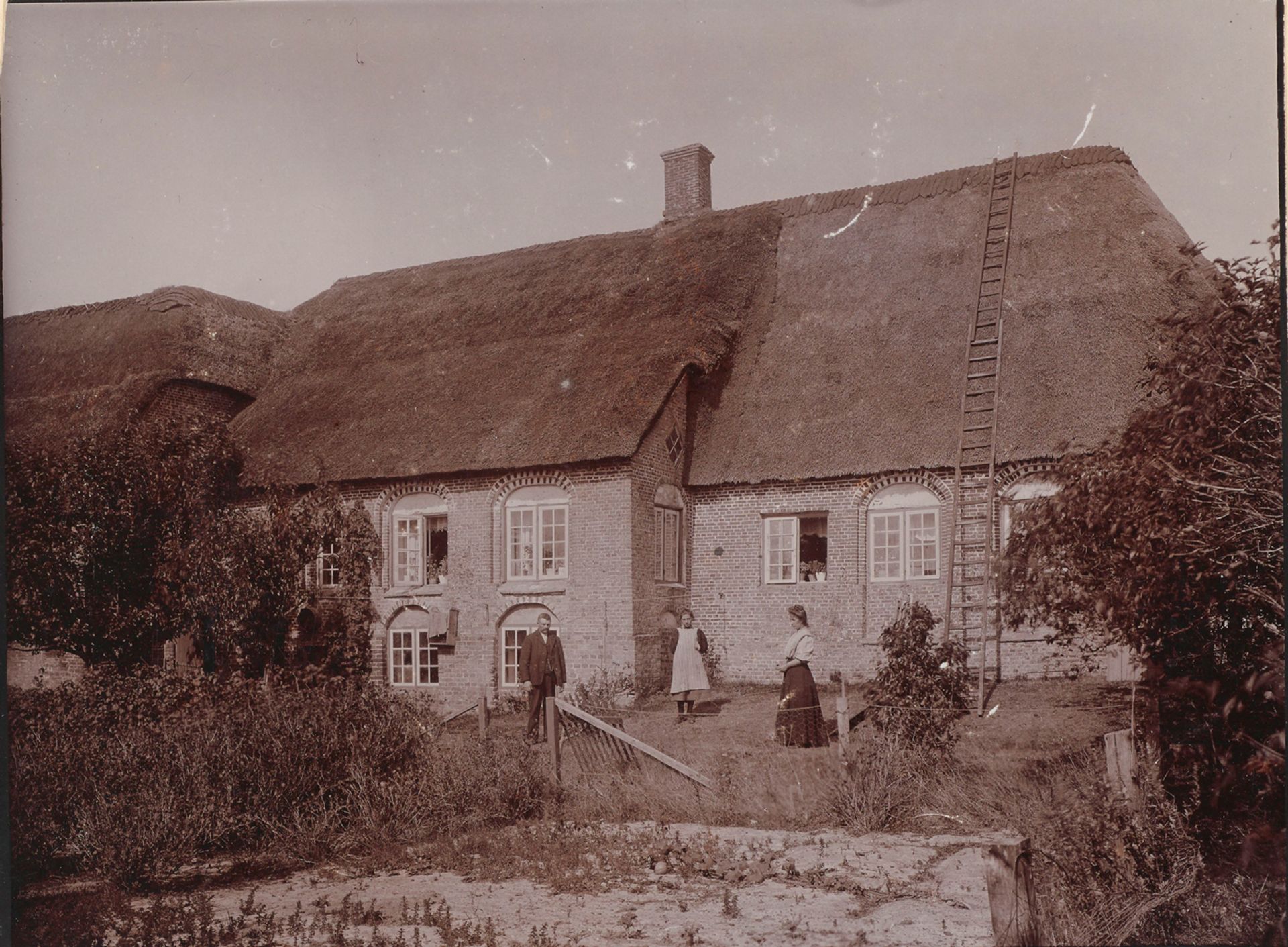
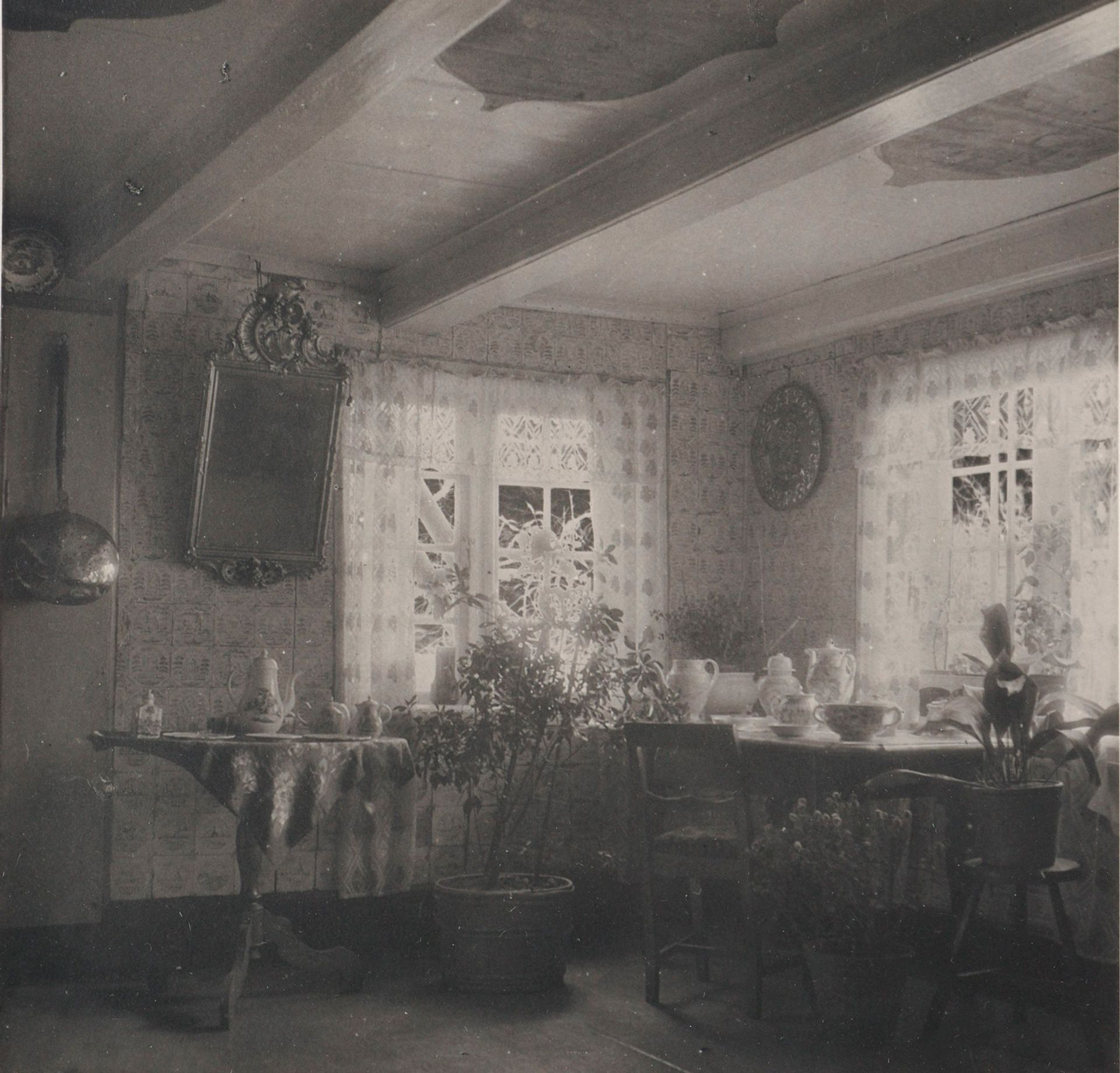
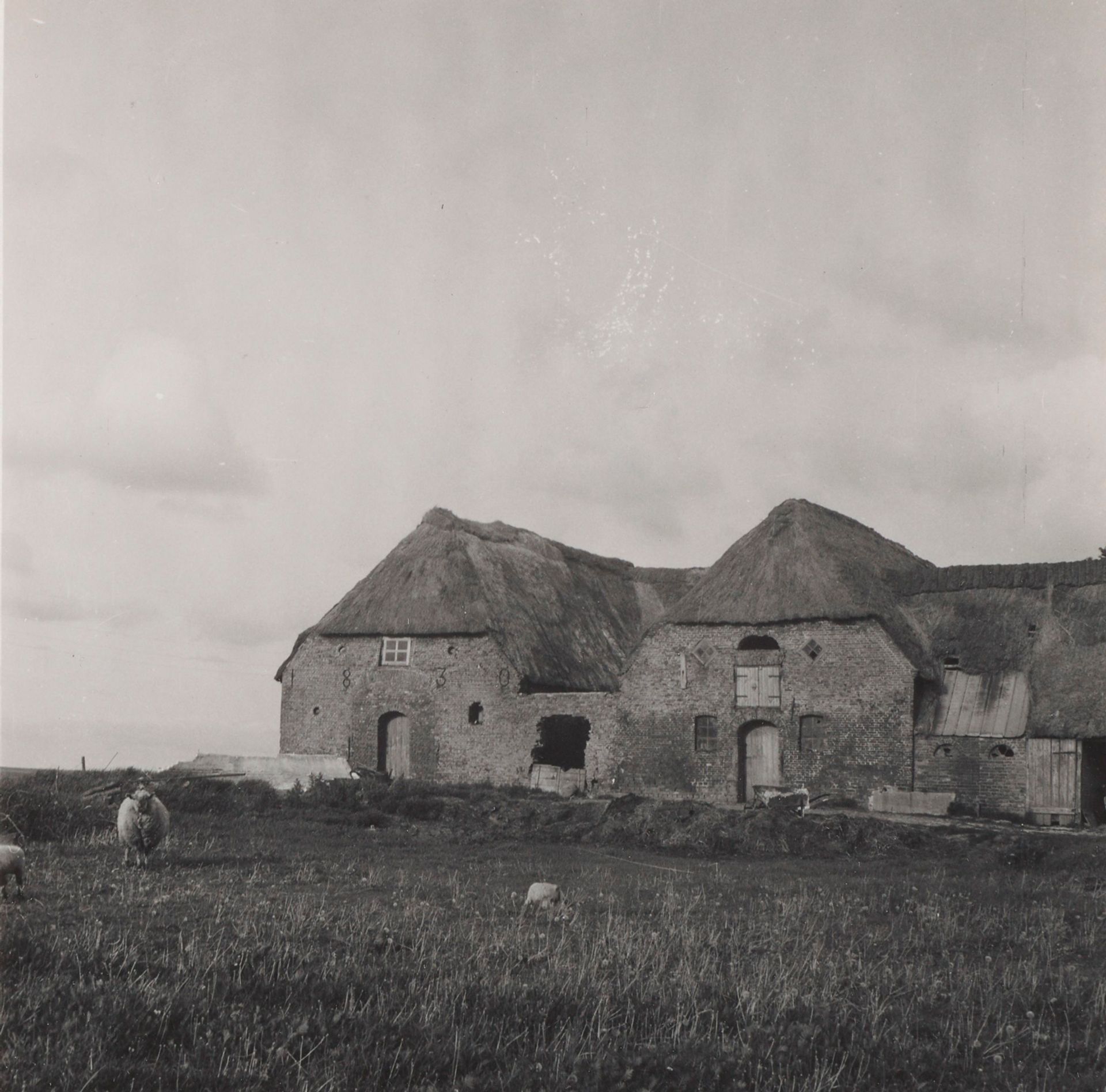
Decades before the National Museum of Denmark took custody of the farm in 1950, it was already known for its preservation value. Photographs from 1930 document the farm's exterior and interior, and the owners willingly opened the doors to their home for tourists to have a look at the old splendor. The homestead, which was built during a period of prosperity, later saw leaner times. Before opening as a museum in 1951, careful restoration was carried out by the National Museum, to revert the historic family estate – as close as possible – to its original state in 1770.
2.
From villa to farmstead
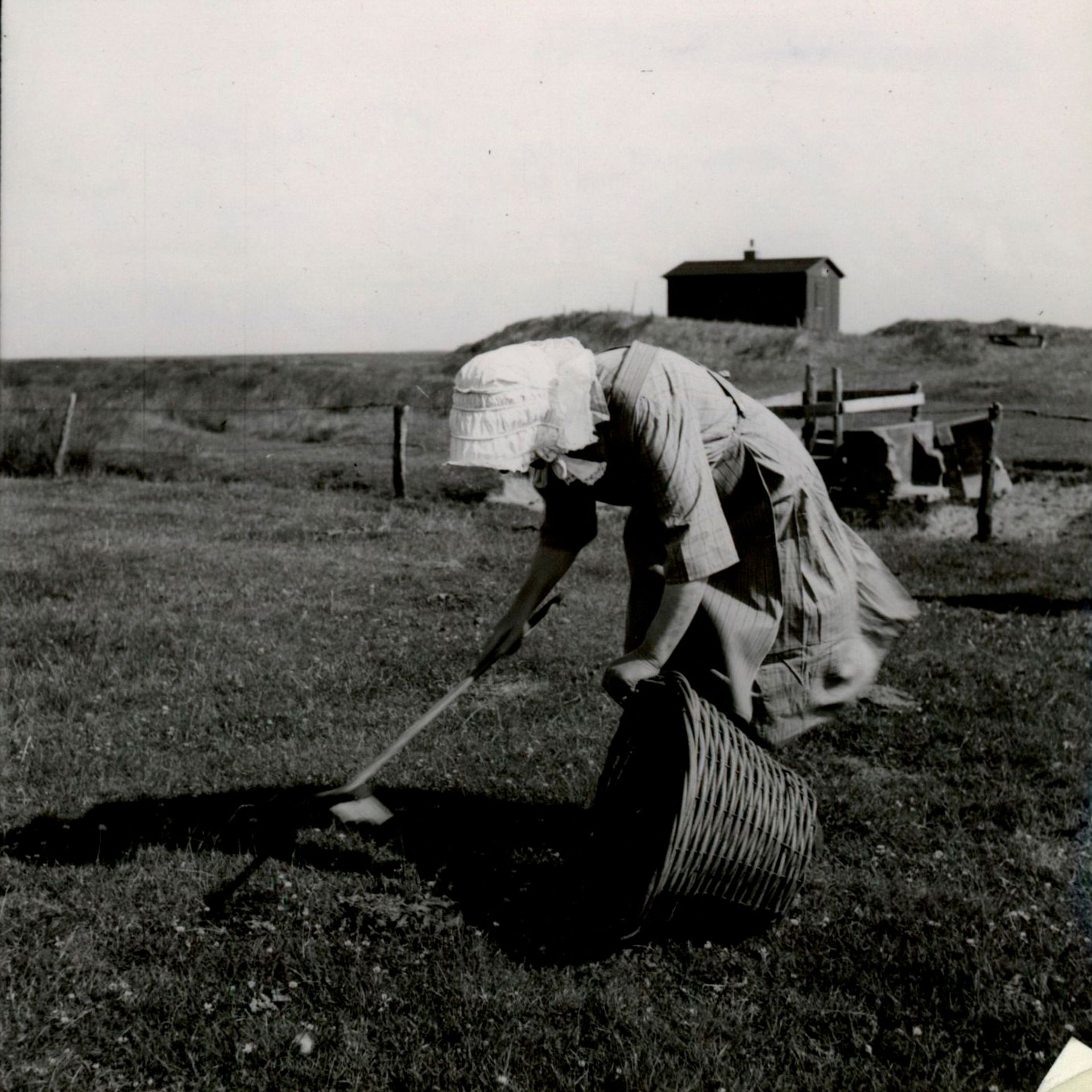
From around 1748, and for the 200 years to follow, the family estate provided a setting for the lives of its residents. First for the wealthy widow, the newlywed upper-class couple and their son, Thade Harckes. Later for their descendants, who had to make do with the traces of the past glory, while they took care of the animals and cultivated the land. When Thade married for the second time in 1797, he was described as a farmer, but it was not until a few decades into the 19th century that the family fortune dwindled and the farm's outbuildings were extended to make more room for agriculture. In short, the 1700s were characterized by prosperity through trade, the 1800s by agriculture and the 1900s by tourism and small businesses. The name Thade has been passed down through the family, and locally the homestead – later farmstead – has been known as ‘Thade's farm’.
‘Near Toftum lies a considerable farmstead called 'The Castle'.’
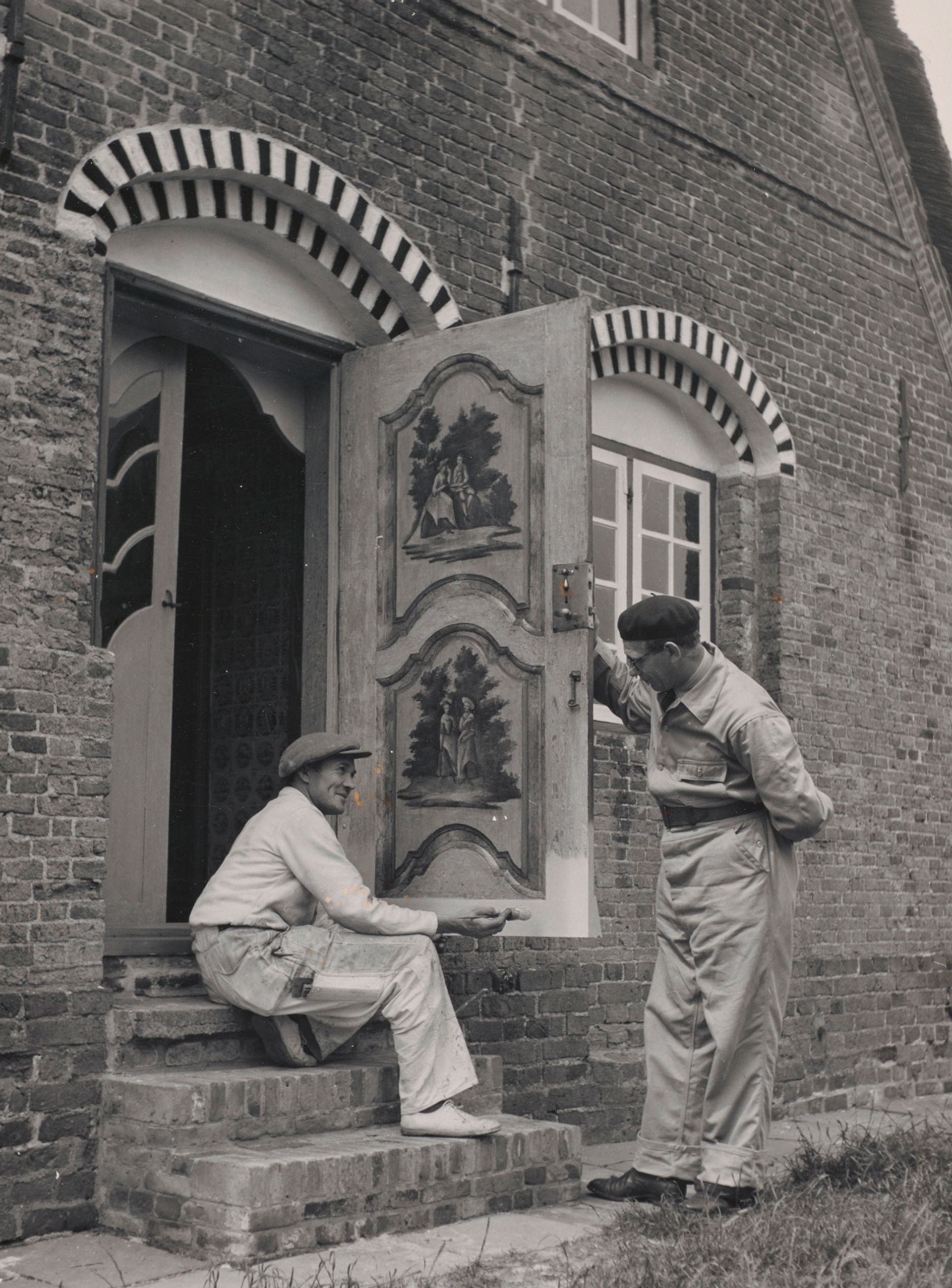
The Sea Captain's House through the years
4.
Preservation
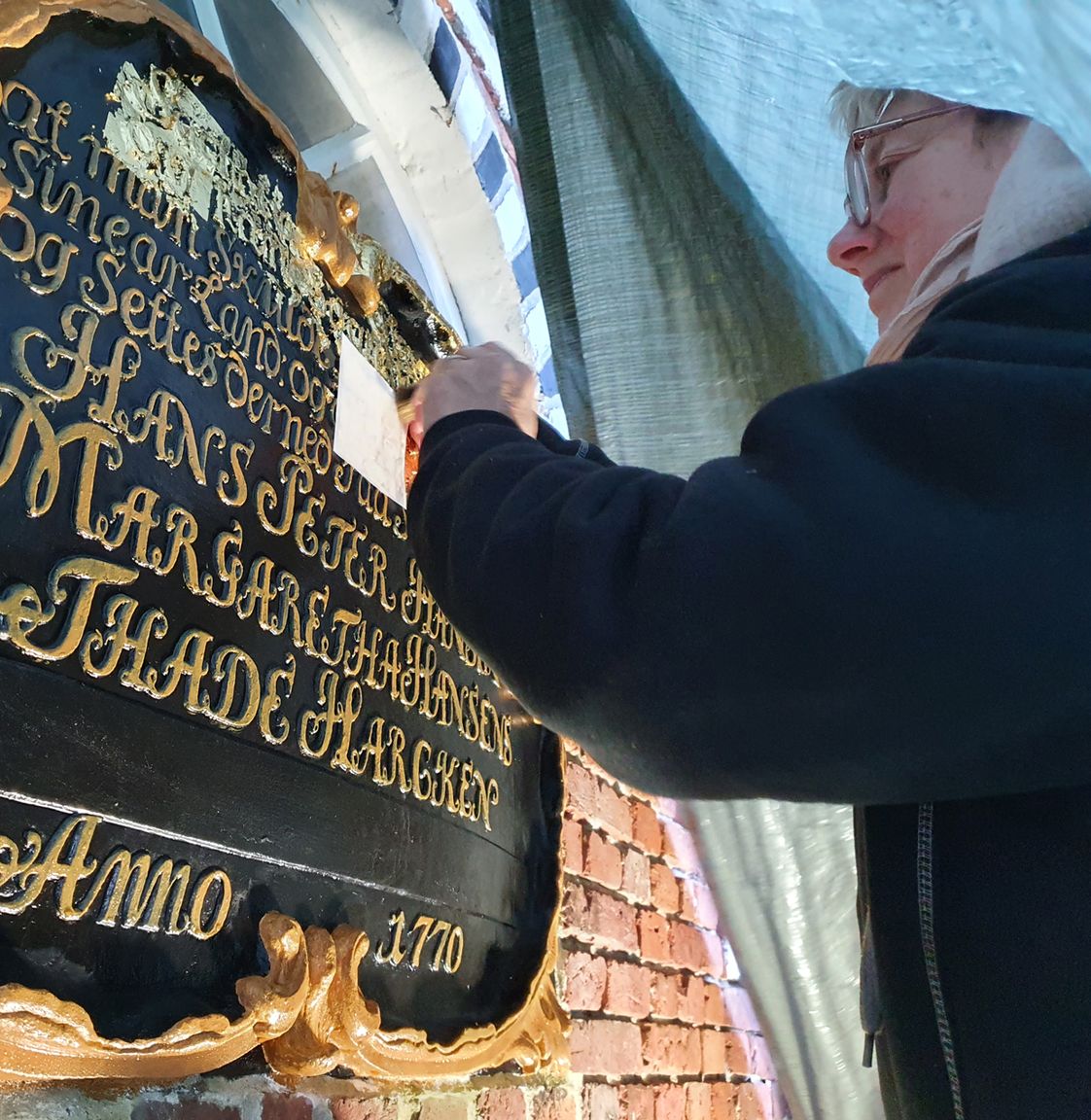
By the end of the 1940s, the farm was in a state of serious disrepair. The National Museum managed to raise funds for a careful restoration, during which up to 12 layers of paint were removed, and original bricks from the farm's foundation were used to restore the damaged outer walls. A later, thorough renovation took place in 1998, thanks to a donation from A. P. Møller and his wife Chastine McKinney Møller's Foundation for General Purposes. The most recent restorations of the historic building have been carried out on the stone tablet above the main door, which was done by the National Museum's own conservators, and the replacement of parts of the thatched roof.